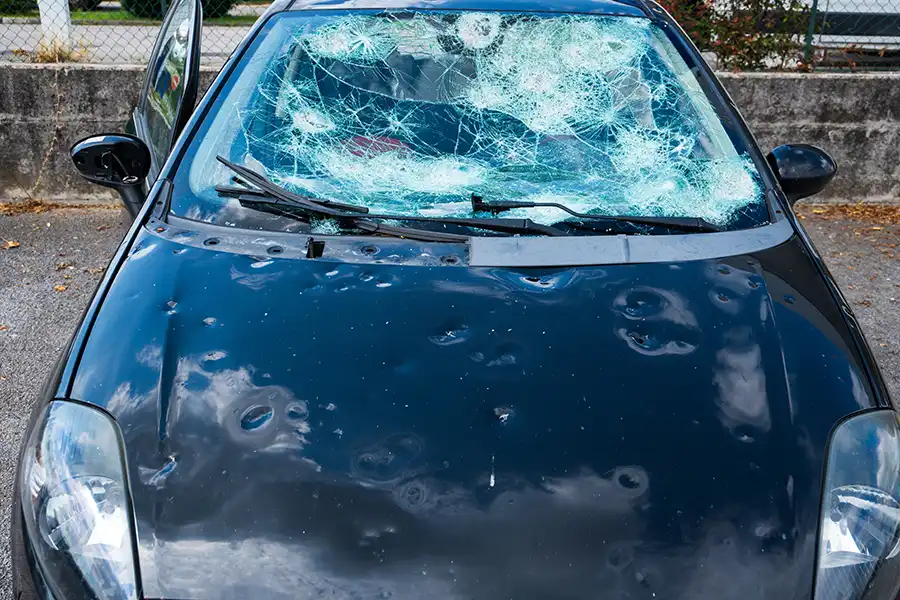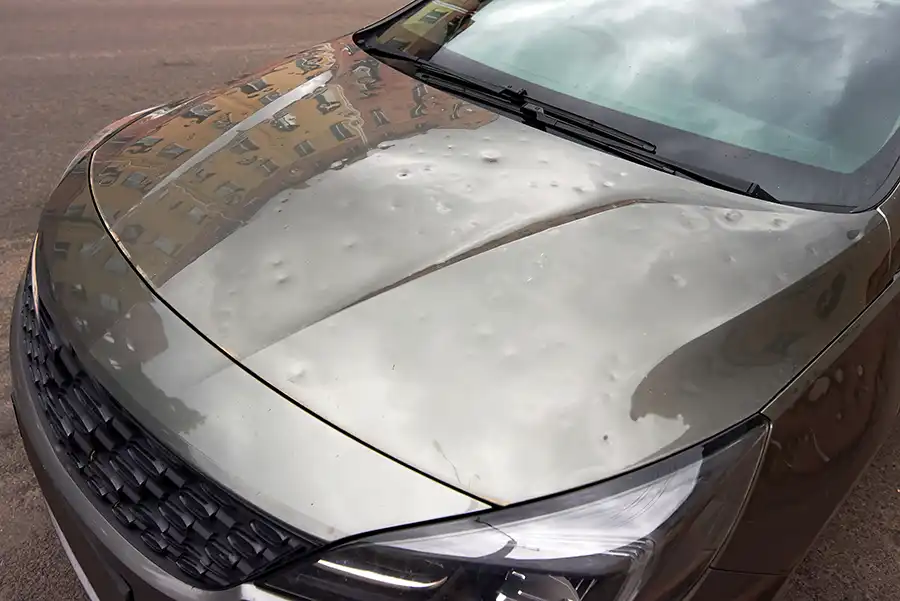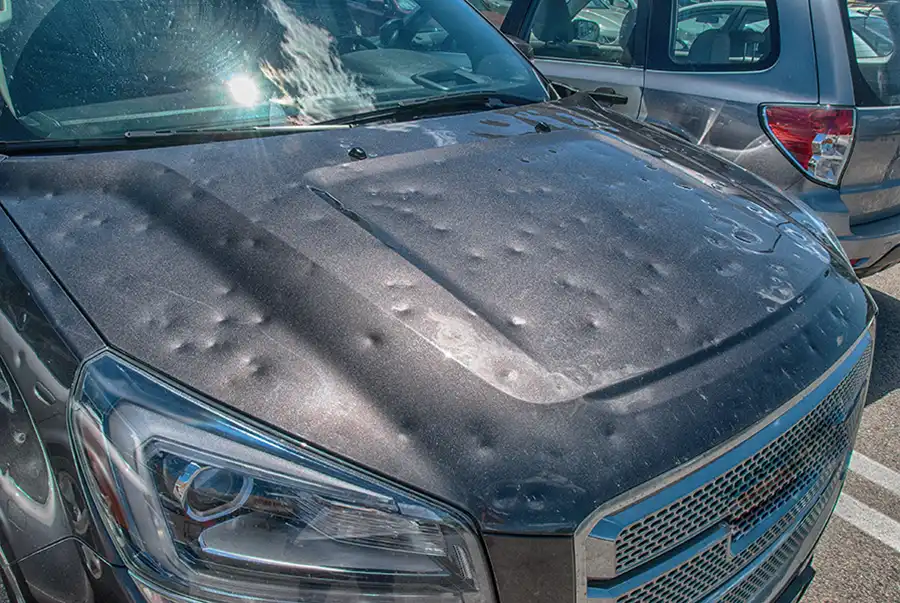
Your car is dented. The insurance claim is filed. Now, you face the most critical phase: choosing who does the repair. This isn’t about finding *a* shop; it’s about finding the right shop for your priorities.
For the logical mind, this is a solvable equation. Emotion and pressure are the variables that introduce error. Eliminate them by following a disciplined process.
Here is your pre-selection checklist. Complete these five steps, and you will move from a vulnerable consumer to an informed client in control.
1. Secure and Understand Your Insurance Scope of Work.
This document from your adjuster is the project blueprint. Before you speak to any shop, know what it says.
- What to look for: The line-item estimate for parts and labor. The stated repair method (Paintless Dent Repair/PDR vs. traditional). The listed “betterment” or depreciation, if any.
- Why this matters: It creates a baseline for an apples-to-apples conversation. A professional shop will review this scope thoroughly and may identify necessary supplements for hidden damage—but any changes should be clearly justified and approved by your insurer. Starting with a clear, shared document prevents misunderstandings and keeps the process transparent.
2. Verify, Don’t Just Trust: The Credentials That Matter.
A website and a friendly salesperson are not credentials. You need proof.
- The Non-Negotiables:
- Business License: Active and in the shop’s name.
- Insurance: General Liability and Garagekeeper’s Liability (protects your car on their premises).
- The Action: Do not accept verbal assurances. Reputable shops can provide a Certificate of Insurance (COI) and license information. This is a basic test of professionalism. (At FREEthR, we collect and verify these documents for every shop in our network before they can receive a single project. We perform this step so you don’t have to.)
3. Define Your Priority: The Trade-Off Triangle.
Every repair balances three factors: Cost, Speed, and Quality. You can optimize for two.
- Scenario A: You want the best market price and high quality. You are willing to wait for the right schedule. (This is the domain of competitive, transparent bidding.)
- Scenario B: You want speed and guaranteed quality, with a fair, pre-verified price. Your time and peace of mind are the priority. (This is a different optimization.)
- Be honest with yourself. Knowing your priority determines the most efficient selection path.
4. Choose Your Selection Path.
This is where you apply your priority logically.
- Path A: The Comparative Bid.
This is the method for optimizing cost and quality. You obtain 3-5 detailed bids from pre-vetted shops for the identical scope of work. You compare them side-by-side on price, warranty, and timeline. This is a data-driven approach that ensures market fairness. It requires more upfront engagement from you to review and compare. - Path B: The Managed Concierge Match.
This is the method for optimizing speed and hassle reduction. You provide your scope and requirements to a trusted service (like FREEthR). They match you with a single, pre-vetted shop that has verified capacity to meet your timeline and a history of quality work. The service validates the price against market benchmarks. Your engagement shifts from shopping and comparing to approving a vetted solution. This path is for those who value a managed outcome over participation in the bidding process. - Logical Fit: This path is often chosen by those who view the deductible as a settled cost of the incident and prioritize a return to normalcy with minimal decision fatigue. The value is time and mental bandwidth reclaimed.
5. Get Specific Promises on Timeline & Communication.
Before you sign, move beyond “about two weeks.”
- Ask: “What is your guaranteed start date?” “What is your current cycle time from start to completion?” “What is your primary method for repair updates (portal, text, call) and frequency?”
- Why this matters: A professional shop can give you clear answers. Vagueness here predicts vagueness during the repair. The best shops have systems because they respect your need for information.
The Logical Conclusion
A hailstorm is an external event that happened to you. The repair process is a system you can choose to step into—or manage.
The checklist above is your management system. It forces objectivity into an emotional situation. Whether you choose to gather comparative data yourself or delegate the match to a concierge service, the foundation is the same: verification, clear priorities, and explicit expectations.
Your car is a complex asset. Its repair should be a logical process. Follow the steps, choose your path, and take back control.
FREEthR provides both logical paths. Compare competitive bids with our standard process, or opt for a managed, efficient solution with our Concierge service. Tell us your priority, and we’ll execute the right process for you